'Autism' is not an 'easily-managed' condition.
B*llocks about special educational needs provision leaked to UK's The Times and Telegraph newspapers suggest the government simply doesn't care (or have a clue)

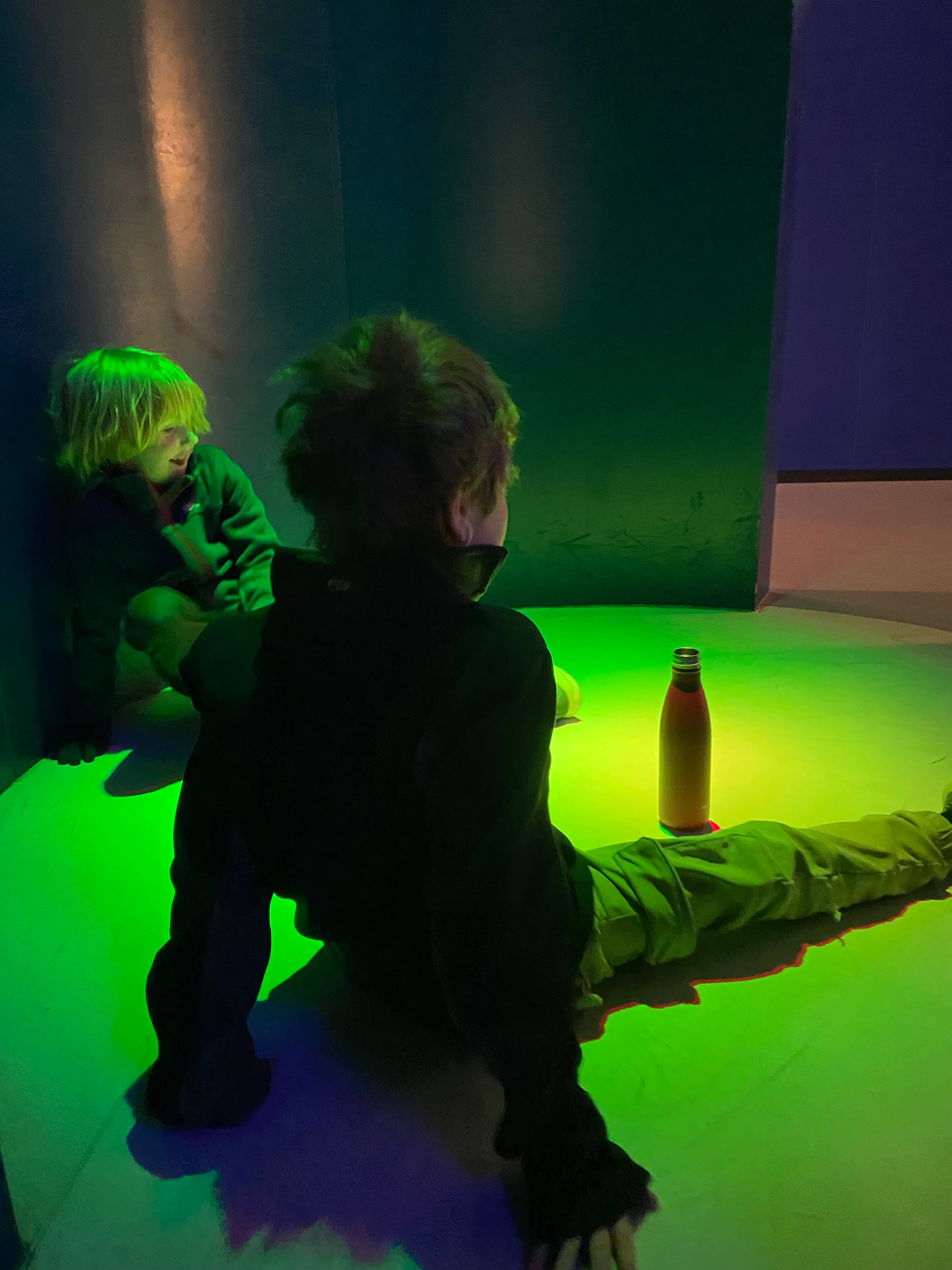
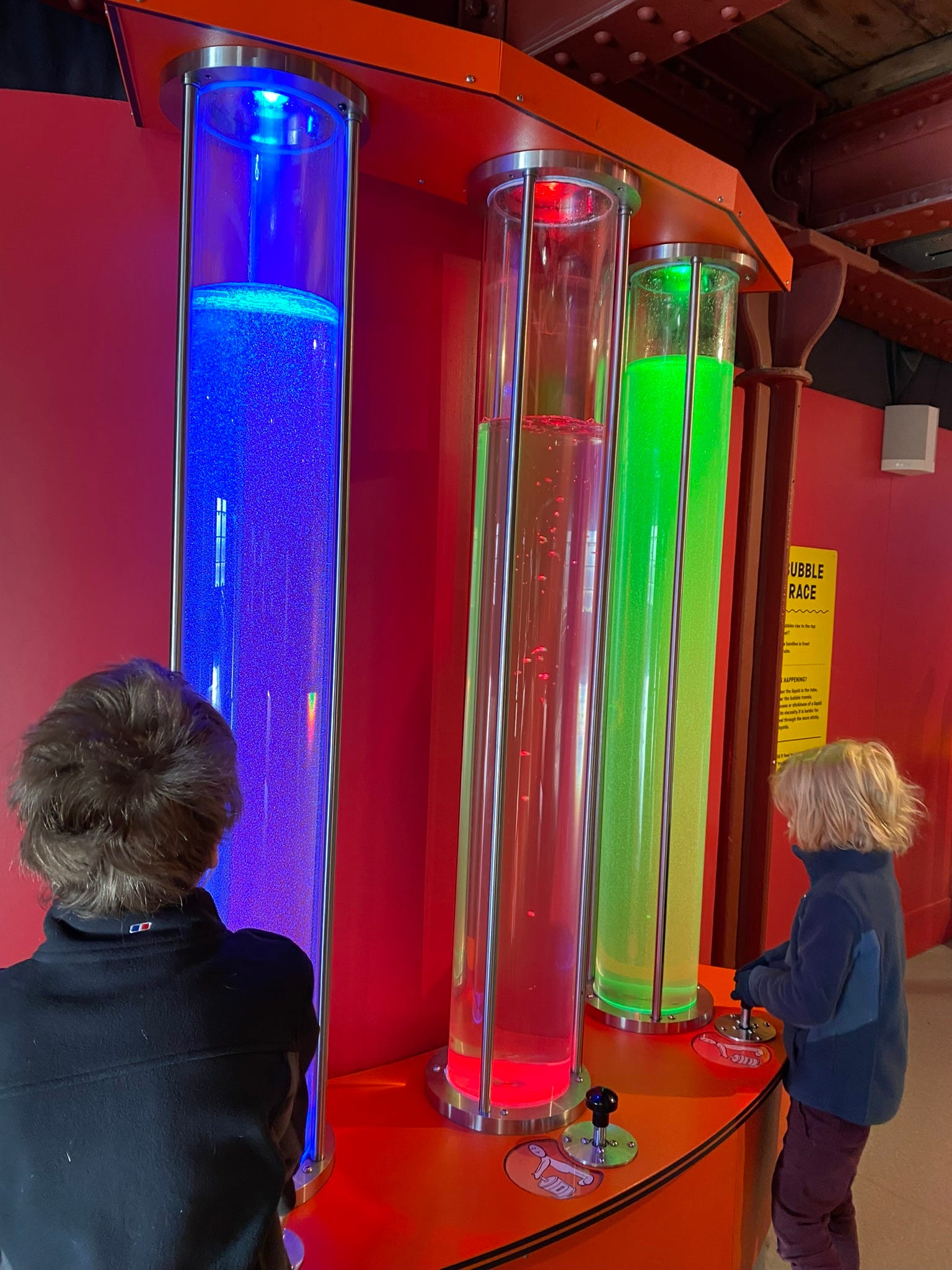
The boys and I returned from a multi-day educational trip yesterday. Part of that was a visit to Manchester’s Science and Industry Museum. It’s pretty small museum, by our standards, but I was wheeling a small suitcase, and Bigger Boy and I were carrying rucksacks - so, I’d pre-checked they had lockers.
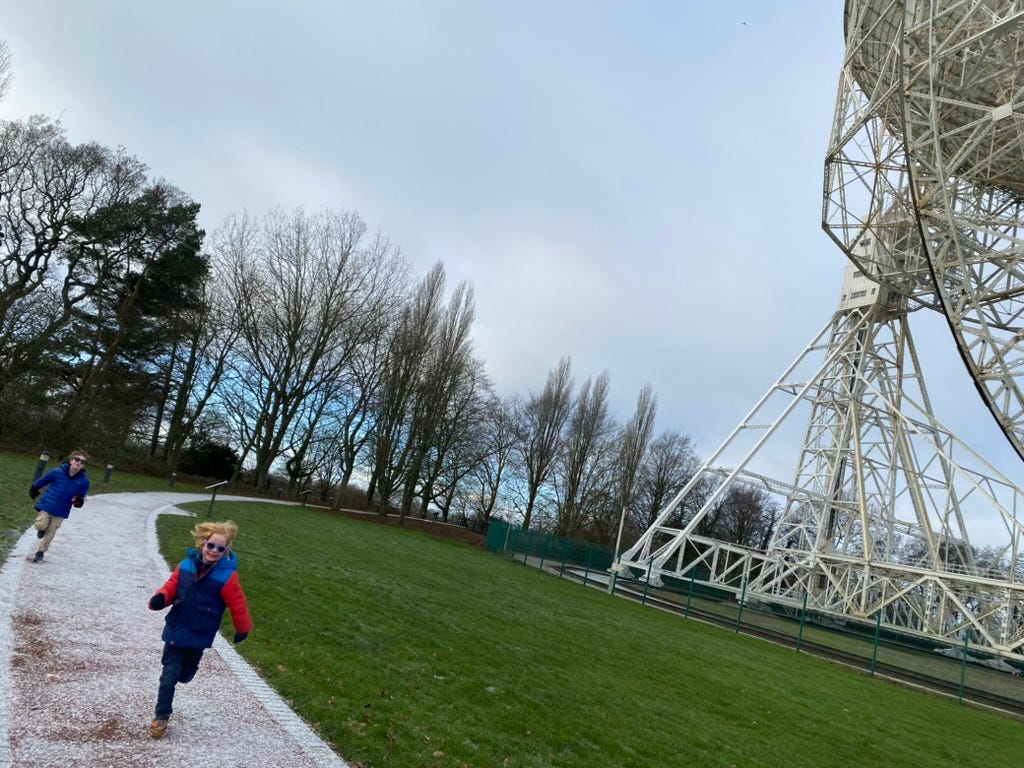
Like many parents of neurodivergent kiddos, I have to carry extra equipment - sunglasses, a pair of ear defenders (for Smaller Boy) and the Flare earplugs that Bigger Boy has found life-changing. However, as it was a dull snowy Monday in January during school term-time and quiet near the gift shop, and we’d had a successful relaxed visit to Jodrell Bank radio telescope the previous day, I figured we could leave the kit behind in the lockers.
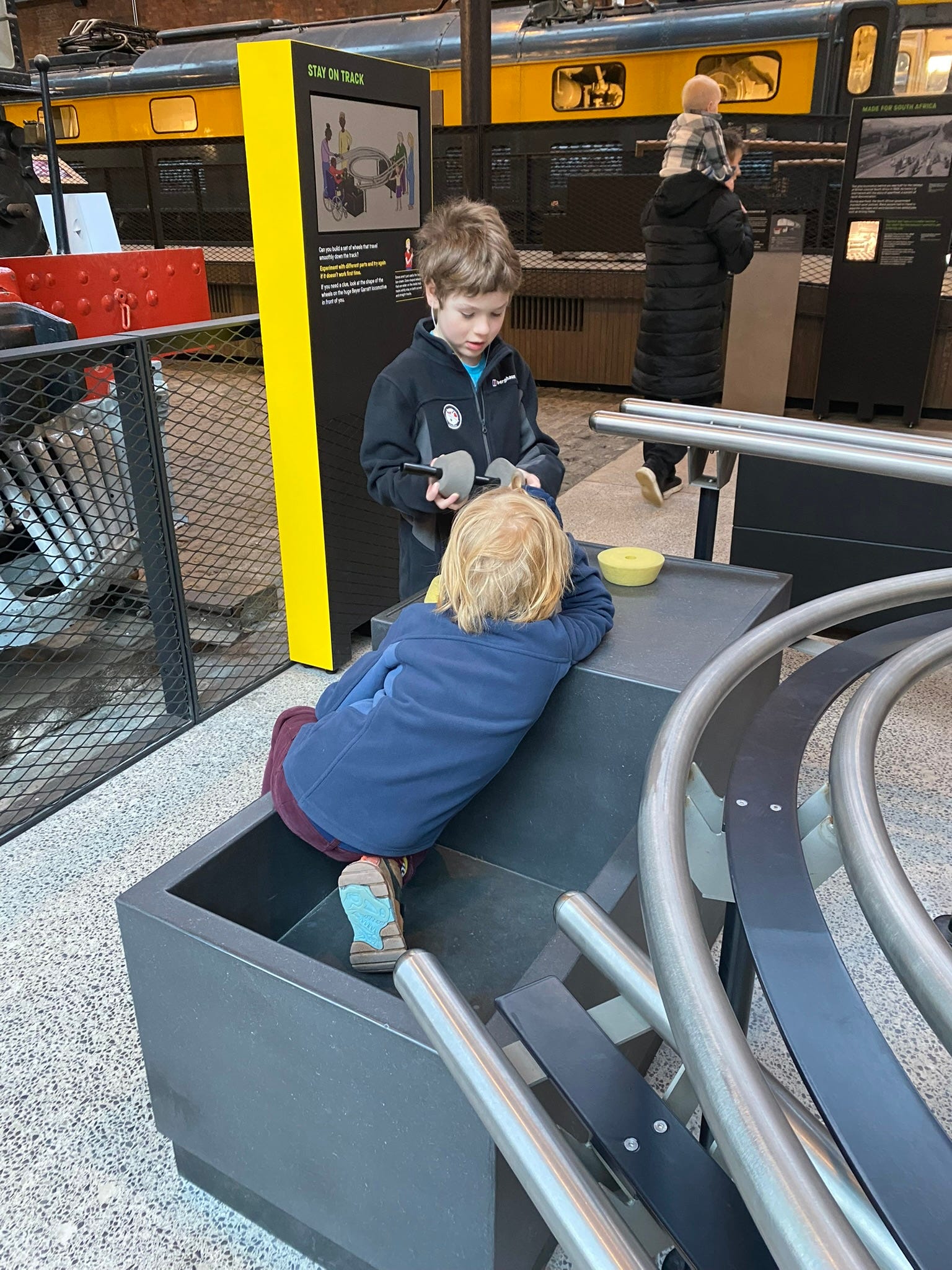
Just behind the gift shop was a large open space with big foam building blocks, and some children playing. Smaller Boy instantly ran over. Bigger Boy seemed interested, but - after a moment or so - I noticed he was cowering next to a railing at the corner of the chamber.
His body language was indicative of a meltdown and, as I approached, he abruptly hurried away, making high-pitched squealing sounds. I called over Smaller Boy and we followed Bigger Boy as he pushed open a glass door and speed-walked through the exhibits, winding downwards through an industrial machinery exhibition complete with brake squeals and loud pounding sounds. It was obvious he was trying to find somewhere quiet and, upon seeing a roped-off stairwell behind an automatic door, I gestured him in there.
For the next few minutes, I troubleshot the problem. Bigger Boy is prone to melting down due to overheating. He was still wearing three layers of outdoor clothes in a warm museum so I stripped him back to his t-shirt. We were communicating in hand gestures. Thumbs up for yes, thumbs down for no. Then, abruptly, the automatic door opened and the thudding sounds of the exhibition poured in. Bigger Boy shrieked, cowering away, and I knew the problem wasn’t temperature regulation - it was auditory. The acoustics in the first room had triggered a meltdown, which had been exacerbated by the noise in the adjoining exhibition. The shrill shrieks of excited young children in large echoey rooms are a known trigger for meltdowns in Bigger Boy.
I offered Bigger Boy his brother’s ear defenders, which I had in the bag I was still carrying. Of course, he shook his head. They don’t fit properly. We couldn’t get back to the lockers, I realised, to get his Flare ear plugs from the other rucksack without going back through the exhibition. There was no way out of the stairwell - it was all cordoned off and, behind it, was a building site doing work on the museum.
Did he think he could make it back through the loud exhibition, I asked?
Bigger Boy shook his head vigorously.
Our only option was a lift opposite the stairwell. I checked my map. It looked like we could go down to special exhibitions on the lower ground floor and then, possibly, cut back up through to the cloakroom.
Was Bigger Boy okay with that?
He nodded.
In the basement, special exhibitions was closed. Luckily, two staff members were packing away the shop from a previous exhibition on BBC’s Operation Ouch kids’ medical TV show. They told me there was no official route from special exhibitions back to the cloakroom, but the staff - who were exceptional and deserve my unreserved thanks - immediately radioed for someone to escort the boys back to the cloakroom through the emergency fire tunnels.
By this point, Bigger Boy had regained the power of speech and was super-interested in all the pipework, generators and spare equipment that populated the deepest floor of the building. But he was also very embarrassed. His first comment, on returning to the cloakroom, was to groan, “I do NOT want to have to deal with this neurological issue for the rest of my life.”
[I’m not writing any of this to shame Bigger Boy, by the way. He has a disability. The same as someone who has epilepsy or needs to use a wheelchair some, or all, of the time. Not his fault. He handles it admirably, given how young he is. Also, this was our collective failure - neither of us expected that noise level - but it was mostly my fault because I’m the adult].
Disability without learning disability
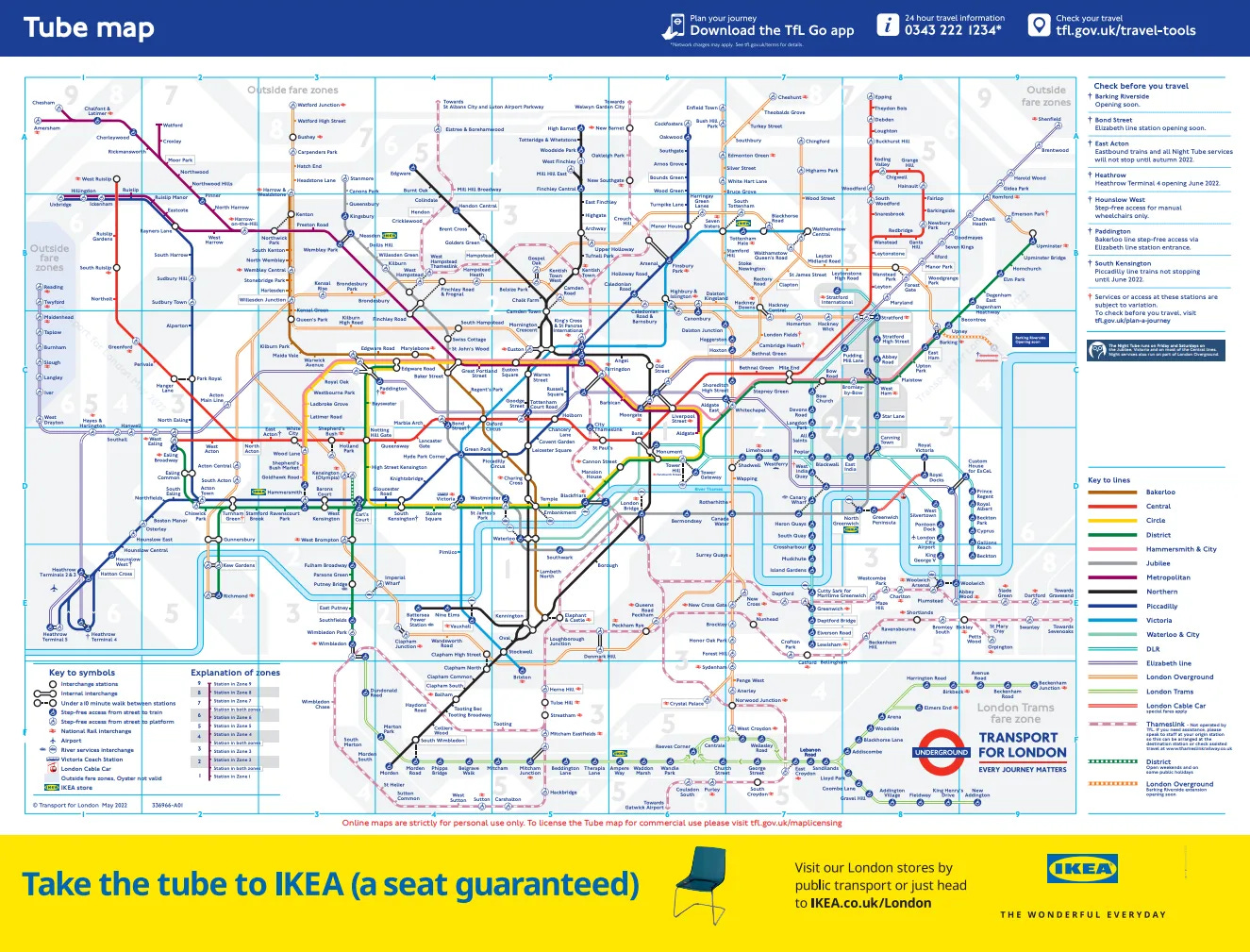
Bigger Boy is an extraordinary young man. Mature for his age, highly intelligent and exceptionally capable. He is an academic high flier, already working at least five years’ ahead of age even in his weakest subjects. On our way home from Manchester, he had the self-possession and wisdom to work out his own fastest route home from London Euston through a complex transport network, and to lead us there with no adult input - even helping Smaller Boy swipe through the gates with his Oyster photo card.
He also defies every single assumption about Special Educational Needs and Disabilities (SEND) that underlies the UK government’s recent leaks to newspapers about dropping legal entitlement to support for children with “less severe special needs” and “milder psychological conditions”. Bigger Boy has, in practice, very few learning difficulties - he has a memory like a vacuum, for starters - but, nonetheless, he can’t be in mainstream education with any level of support.
His three-year tenure in (mainstream) education was marked by the constant presence of a 1-to-1 support worker - purely to manage his meltdowns. He melted down sometimes twice daily, with the triggers anything from playground noise to the sight of thirty kids waving mini-whiteboards simultaneously. He spent days in internal exclusion in the headteacher’s office (apparently, she really enjoyed chatting to him about biology and astronomy) - mostly because they didn’t know what else to do with him. He couldn’t access the informal specialist SEND unit (the UK government is keen on introducing more of these) because the behaviour of the kids with (mostly) learning disabilities were more, not less, likely to trigger him to explosively meltdown.
In short, he was every ‘behaviourist’ teacher’s description of a nightmare child who sucks time, energy and resources from his classmates - due to disability, rather than naughtiness. They are right that he shouldn’t be in a mainstream school. Yet, as John Harris argues in this excellent essay, when the government talks about “severe special needs”, my intelligent articulate Bigger Boy is not who they have in mind:
One of Westminster and Whitehall’s most misplaced assumptions about SEND is that most kids sit somewhere on a linear scale, and you can separate out the ‘mild’, ‘moderate’ and ‘severe’ cases and ration help and support accordingly. Here, by contrast, are a couple of pretty common profiles of autistic kids: 1)a child with learning disabilities who can successfully be taught in a mainstream school with the right help and support, and 2) an academically high-flying neurodivergent child whose sensory needs mean that coping in a school is a complete non-starter. Who here is ‘mild’, ‘moderate’ or ‘severe’?
Also, as John Harris argues here, Bigger Boy has a pretty common profile for kids diagnosed with autism. Autism activist and author Lisa Lloyd coined the phrase SEN-Betweeners for her kids, and others, who are too severely disabled to be in mainstream, but don’t have the complex medical, learning or physical disabilities that would qualify them for a (conventional) specialist place.
The difficulty is that, once you place Smaller Boy, Bigger Boy and Y (a diagnosed autistic classmate who seemed to have less disabling sensory issues than Bigger Boy but was more disabled by a severe learning disability) on a one-dimensional scale, you end up thinking that Bigger Boy’s disability might be ‘moderate’ and require no extra support. No one would be stupid enough to do this for an academically-able child who had severe physical disabilities, but the leaks coming out of the Department of Education suggest they might be this stupid about autism and ADHD.
The SEND crisis, as I’ve argued in a five-part series on this Substack, is likely driven by SEN-betweeners who fall into this category. No idea what happened to them in the past - either they were in now-closed special schools, or they dropped invisibly out of mainstream.
Misunderstanding the SEND ‘conversation’
Many parents of disabled children feel the current government doesn’t care about our kids. In fact, the opposite. The government’s imposition of VAT on private schools seems custom-made to penalise parents who’d struggled to afford an independent school able to provide suitable SEND support. The Children’s Wellbeing and Schools Bill, currently going through parliament, seeks to clamp down on the growing trend towards home education - another bolthole for the many parents (like me) who, having been failed by the SEND system, have taken our children’s education into our own hands.
Now, the government is seeking to massively restrict access to Education Health and Care Plans (EHCPs), the legal documents that stipulate and protect the right of children with more complex disabilities (including Bigger Boy) to receive tailored SEND support in school.
It seems more than ignorant. It seems cruel. An attempt to guarantee that disabled children don’t receive an education by forcing them into mainstream schools that can’t meet their needs, fining parents when they invariably fail to cope while brutally culling any parent-initiated alternatives.
Yet, some of it is likely also down to a crazy level of ignorance. There was a big online blow-up this week about an episode of Teachers Talk Radio that covered the government’s potential cuts to SEND provision. It featured a discussion with a Tory councillor and another teacher who, among other things, argued that parents wanted their disabled kids to be the ‘main character’ and that autism is a ‘label’ that restricts the potential for kids to achieve.

I can’t comment on the video because, to be frank, as a parent, I can’t face spending 40+ minutes listening to two people (potentially) wheel out every item on the SEND crisis bingo card - from ‘labelling’ to ‘overdiagnosis’ to ‘resilience’ to the 'problem of over-demanding parents’. However, it’s very obvious, even from the three minutes of video here, that the two panelists don’t remotely understand the disabilities they’re talking about.
They talk about ‘autistic’ and ‘social’ as if these are a population of ordinary kids who are maybe slightly more socially awkward than the average and whose normal personality variations are being erroneously ‘labelled’ as disabilities by overly-anxious parents (I don’t think online autism influencers help with this misunderstanding). Although this isn’t the case for all children with autism diagnoses, my children have sensory processing disabilities. They’re not part of their personality and they don’t miraculously disappear if I stop labelling them.
I’ve shared videos in the past of what these disabilities feel like (at least, to me and my kids - the neurological issues that get diagnosed as autism vary). However, living with Smaller Boy, who was (mostly) managing in school, it’s easy to see what a less-severely-disabled version of Bigger Boy looks like. A child whose nervous system is operating in borderline fight-flight mode in an ordinary classroom, who just-about copes because they have to - only to fall apart dramatically at home.
Imagine you could get this hyper-intense experience by, for example, simply walking into a shopping mall…
No reputable educational radio show would host two speakers wibbling on about how kids using wheelchairs shouldn’t get labelled because it stops them having an aspiration to run upstairs. Today’s society accepts unthinkingly that some people are physically disabled and - by definition - need accommodations, such as wheelchair ramps, to access certain places. We also accept people can be academically able, but nonetheless, sufficiently physically disabled to require specialist support. Finally, we understand that some experiences, such as running a marathon on their own legs, are forever locked off to people with certain physical disabilities - regardless of their resilience, best efforts and willpower.
It’s a shame that, in an era when a lovely woman with a radio understood enough to escort us through the emergency fire tunnels of the Manchester Science and Industry Museum, we still cannot have a sensible conversation about the existence of children with neurodevelopmental disabilities that don’t have an obvious impact on their cognition. Neither does our government seem to have any realistic concept of what such children can, and can’t, reasonably be expected to withstand to receive an education.
Unlike in my childhood, we now know these disabilities are more common than we imagined.
We still don’t know how to provide the right support, or even what it looks like.
Let’s not sacrifice this next challenge, to finally offer that support, on the twin altars of cost-cutting and sheer ignorance.
That would be a backward step, a failure. Not only for the school system, but for the many more children it will fail.
Addendum
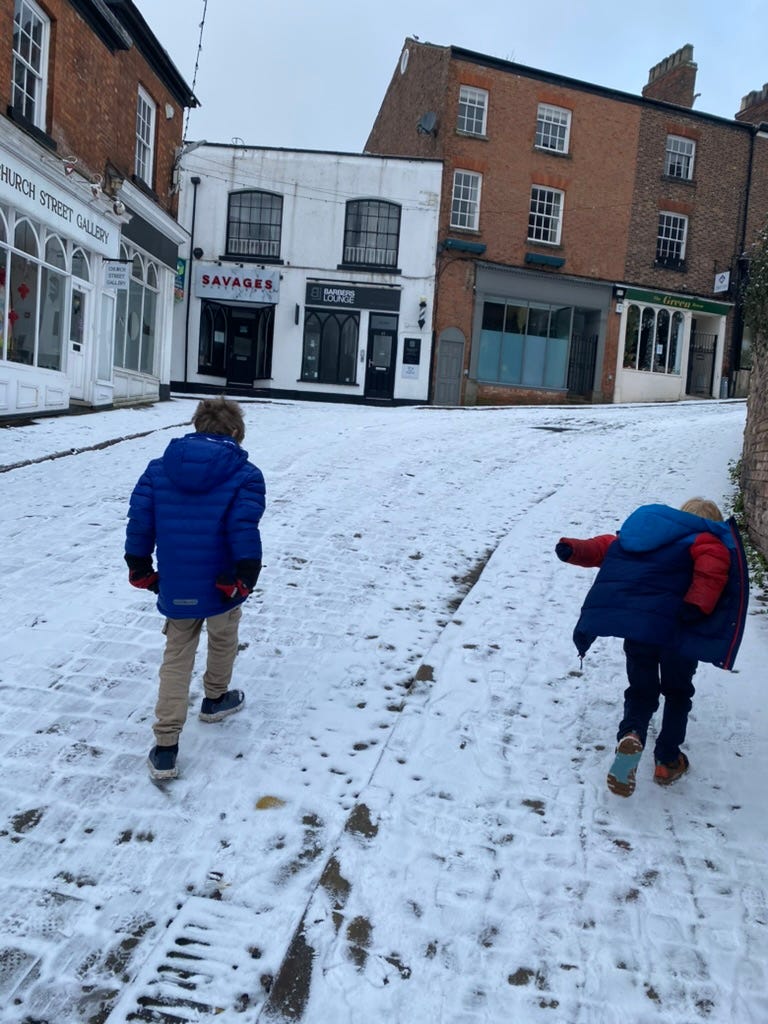
In case anyone is curious about the ‘reasonable adjustments’ I had to make to allow an educational trip to Jodrell Bank to happen…
Emailed Jodrell Bank to ask about arrangements for home educators. Was told Bigger Boy and Smaller Boy would be included in a large party of 100+ school kids. Explained this wasn’t suitable due to noise/crowding and they recommended the relaxed early opening, which is at 10am on the first Sunday of each month…
Picked a Sunday in January when I thought there would be hardly anyone else at Jodrell Bank.
Booked self-catering accommodation in Macclesfield for the night before, giving us time to get to a field with a radio telescope in rural Cheshire by 10am on a Sunday morning in January. We have to self cater because Smaller Boy has mild ARFID and restaurants can be a disaster. Also, Bigger Boy can be too overwhelmed by travel to go to a noisy restaurant for dinner afterwards.
Googled nearby supermarkets in Macclesfield so, when we got to the apartment, Bigger Boy didn’t need to walk a long distance incase he was overwhelmed from travel and melted down in the supermarket.
Had absolute kittens about the boys sharing a room. Normally, they have separate bedrooms, even on holiday (which costs a fortune). I tried a shared room this time, as an experiment, as I figured it would make future travel easier.
Planned a three-day trip because Bigger Boy can only sightsee reliably for three hours without having a meltdown due to cumulative sensory overwhelm. Thus, we couldn’t do Jodrell Bank and return to London in one day. Plan was to go back to the apartment for him to decompress after Jodrell Bank and then travel again the next day.
Planned the trip to roll over onto a Monday when kids had just gone back to school in Manchester so, hopefully, there would be no children in the Manchester Science and Industry Museum to reduce the risk of Bigger Boy melting down from the noise of school parties.
Googled the existence of Pret a Manger in Manchester for lunch because Bigger Boy will only reliably eat Pret smoked salmon sandwiches and Smaller Boy will only reliably eat Pret ham and cheese toasties (see, also, ARFID). I also researched the menu at Jodrell Bank (as much as I could) and packed tonnes of snacks.
Let the boys research online every bit of the trip, including Googling images of every station they would be visiting.
Packed (variously) sunglasses, Flare earplugs, ear defenders and a Yoto with relaxing piano music. This is because Smaller Boy has sensory issues around sound, especially at night and, without the Yoto card, he won’t sleep until nearly midnight. This keeps Bigger Boy awake, making him tired, so he can’t deal with his own sensory issues and melts down constantly the next day.
Let Bigger Boy and Smaller Boy use the Jodrell Bank map to decide where they went and what they wanted to see.
Allowed Bigger Boy to sit for nearly 20 minutes in an empty room because, having arrived at a talk early, he didn’t want to visit anything else until the talk happened.
Politely ignored Smaller Boy rolling around on the floor in front of the entrance door to the Jodrell Bank Space Dome. Let him repeatedly attempt to fold himself into a foldable chair before and during the telescope talk. Ignored him frog hopping across the floor in a Manchester Pret a Manger. I’m sure people think I’m a terrible parent, but he genuinely can’t stay still.
Yes, this is all totally absurd. Welcome to SEND parenting, folks. Honestly, no complaints, as it does seem trivial once you get used to it. As a consequence of all of that, we had one meltdown lasting all of fifteen minutes in three days - result! I’m not even going to begin to explain why any this doesn’t work in a mainstream (or, possibly, any) school though…
This is brilliantly written - we have lots to talk about Vee! Well done on doing a great job getting your kids out and about. I have some idea of negotiating all of the extras and that's with one. Currently fighting for EHCP amends and to keep my son (now 18) in his 'alternative provision which is not great but also a godsend after 5 years of isolation - got him back mixing with other kids and in a small supportive 'learning' (in the loosest possible terms) environment. A good friend of mine has a son, now in his 30s, with ADHD. She got him statemented after a long battle (she's a lawyer) and he got a specialist school place and got 10 GCSES with the right help and support...obviously that school is long gone...The terrible cutting and de-resourcing and roll back of expertise and support for any SEN since 2010 is abominable. This government could have changed that and decided to try and make it a whole lot worse.
Brilliant article and thank you for the energy it must have taken to write this. I am happy for your boys that you are on this so brilliantly. It is to wake up the education professionals that I am writing my book. Whilst my experience of huge reluctance to even acknowledge my gifted and ND son's additional needs was a long time ago the patterns are still the same. And you are right to be deeply shocked by the ignorance in this mild to severe continuum concept. Warmest wishes to you and your boys. 🤗