Educating the 2e-ers
People often ask me for advice on how to home educate twice-exceptional kids

I’ve got two twice-exceptional children. That is kids who are both academically gifted (High Learning Potential) and have special educational needs, known as 2e in America and dual-and-multiple-exceptionality (DME) in the UK. I’m frequently asked for tips on how to home educate 2e-ers, often by parents of very little ones.
I figured, this week, I’d write a Substack with some generalised observations based on my experience educating Bigger and Smaller Boy.
No one is an expert!
I’m going to start with a disclaimer. I’m not an expert. 2e is complicated and disabilities cover everything from dyslexia to cerebral palsy to Tourettes. Even with ADHD/autism (which I’m most familiar with), there can be huge differences between my Bigger and Smaller Boys, and children who, for example, have PDA profiles.
As I’ve blogged elsewhere, autism/ADHD cover a huge range of disabilities and, to understand their educational impact, you need to identify, in detail, what they mean for your child.
Also, some of the examples I’ll give here are pretty wacky, my kids don’t have especially high measured IQs (it’s about 1 in 100 for Smaller Boy). My guess is this sort of child behaviour would be ‘my niece’s cousin’s son does that’ commonplace if schools didn’t have to teach to the middle of the room.
Learn what your child’s disability/disabilities are
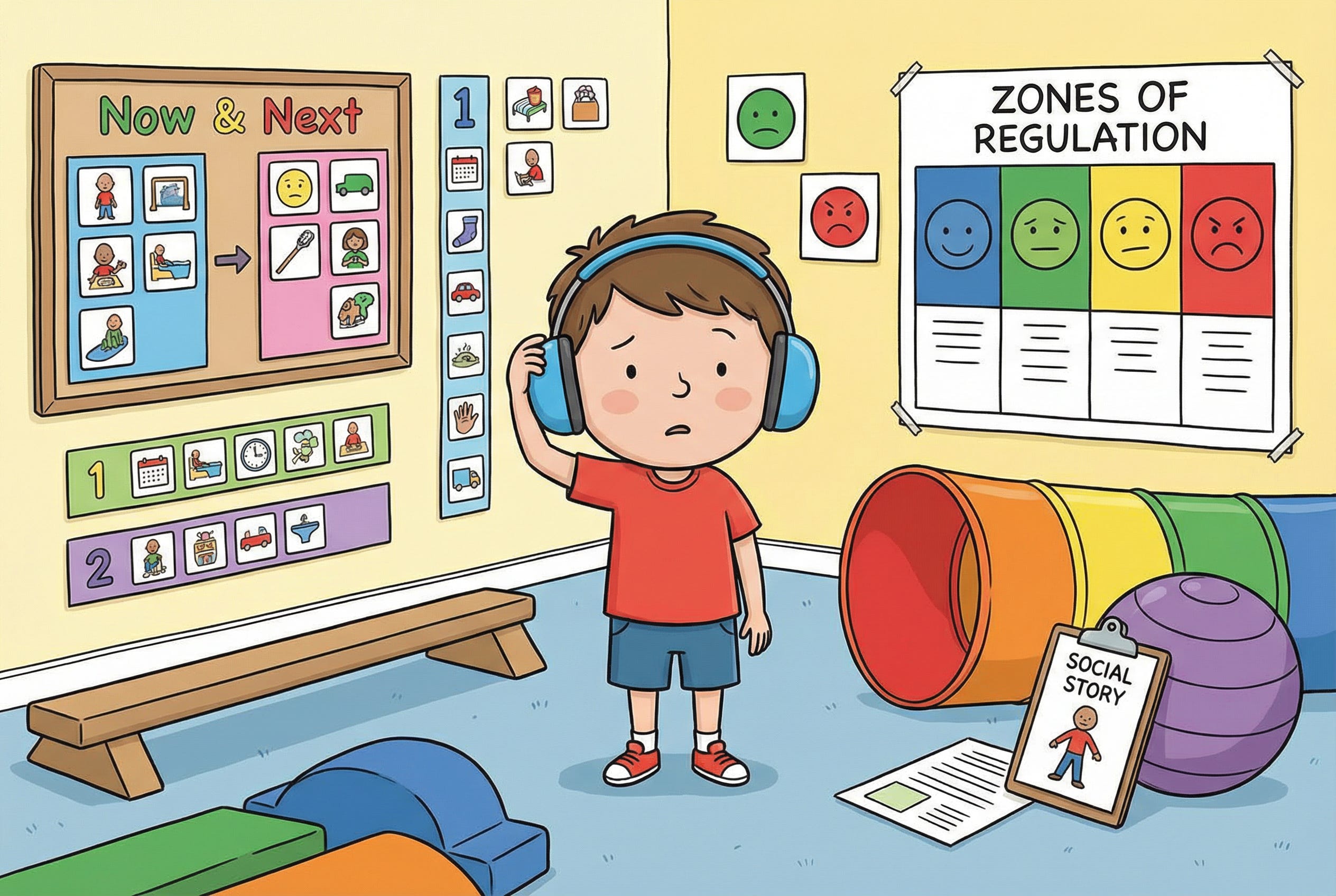
There’s a tendency, in schools, to have a ‘standardised autism offering’. In the UK, this will often include sensory circuits, Now-Next boards, Zones of Regulation, social stories… blah blah.
The problem, for both schools and home educators, is ‘if you’ve met one person with autism, you’ve met one person with autism’.
If your child is like Smaller Boy, for example, who has sensory-motor and motor planning disabilities, they might look to a paediatrician like they should have social difficulties but, in reality, they probably don’t. What they will have is struggles with anything involving posture, movement and motor planning - handwriting, using keyboards, manipulating small objects, and so on.
Often, 2e kids try hard to hide their disabilities from you and, if they can, sometimes their abilities too. They can be sophisticated in doing so. Try to observe closely what they choose to do, or not, and the excuses they make, rather than relying on a diagnostic label. Smaller Boy, for example, has never enjoyed drawing. He often asks people to make craft sets for him, and used to make excuses for why he couldn’t learn to dress himself (e.g. “I’m too tired to do it today”, “I have a VERY BAD tummy ache.”)
Assessment, assessment, assessment
Many independent educators (a term for homeschoolers that I prefer) aren’t in favour of organising kids’ education around grades, levels or, in the UK, Key Stages. Children are viewed as neither ahead, nor behind, but simply ‘themselves’. I’m increasingly sceptical about age-segregated learning and generally in favour of this concept.
However, 2e-ers (and High Learning Potential kids generally) can ‘break’ it.

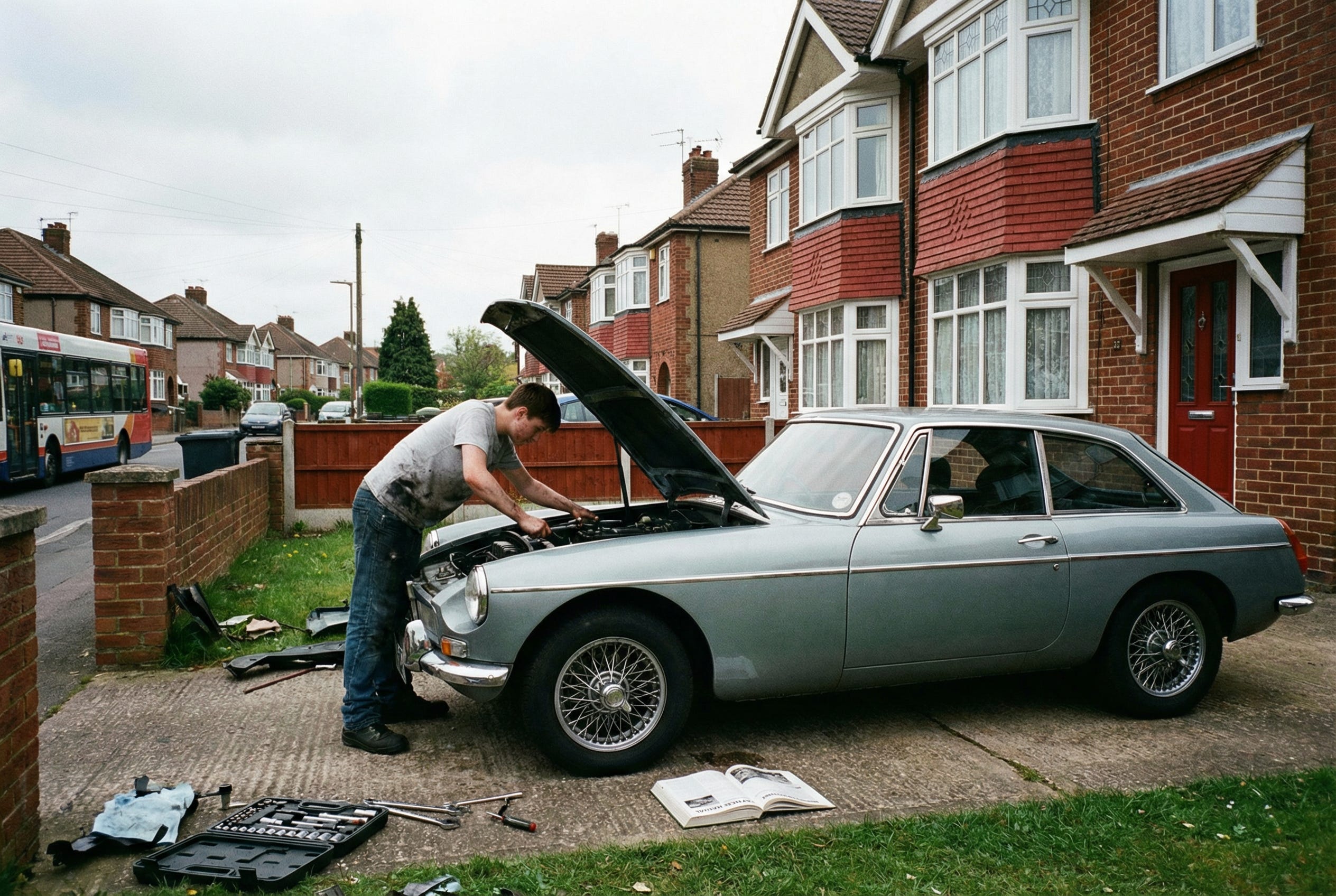
Unschooling (not replicating school at home) nonetheless has a loose pattern for how children develop with age. They start off being educated in literacy and numeracy (not maths and English) through daily life. For example, they might learn how to double ingredients through cooking or calculate money while running a bake sale. As they get to 12/13, they often switch to self-studying for exams or practicing skills, such as car repairs.
If you have a 2e-er who is cognitively ready to study for their degree in primary/elementary school, play-based learning is treading water. With Bigger Boy (age 9), he’s already cognitively performing at the level of an average adult and I can only see the gaps in his abilities when he’s working at Key Stage 4, or above. Academically, therefore, the only way to show ‘progress in literacy and numeracy’ (which local government likes to see) is to start preparing for exams.
If you have such a child, you need to know - sooner, rather than later.
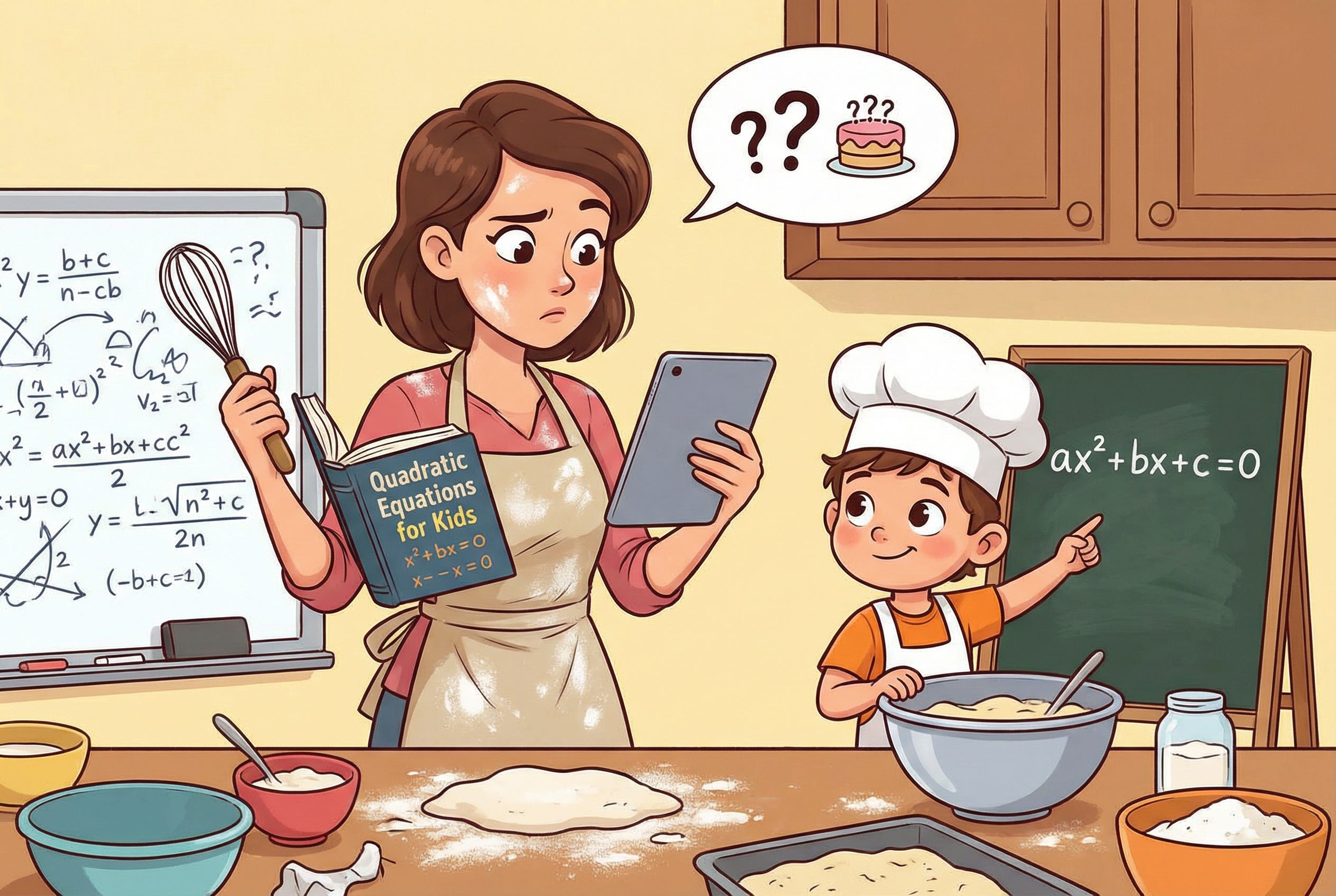
You can’t learn quadratic equations by baking (or, at least, I’ve no idea how).
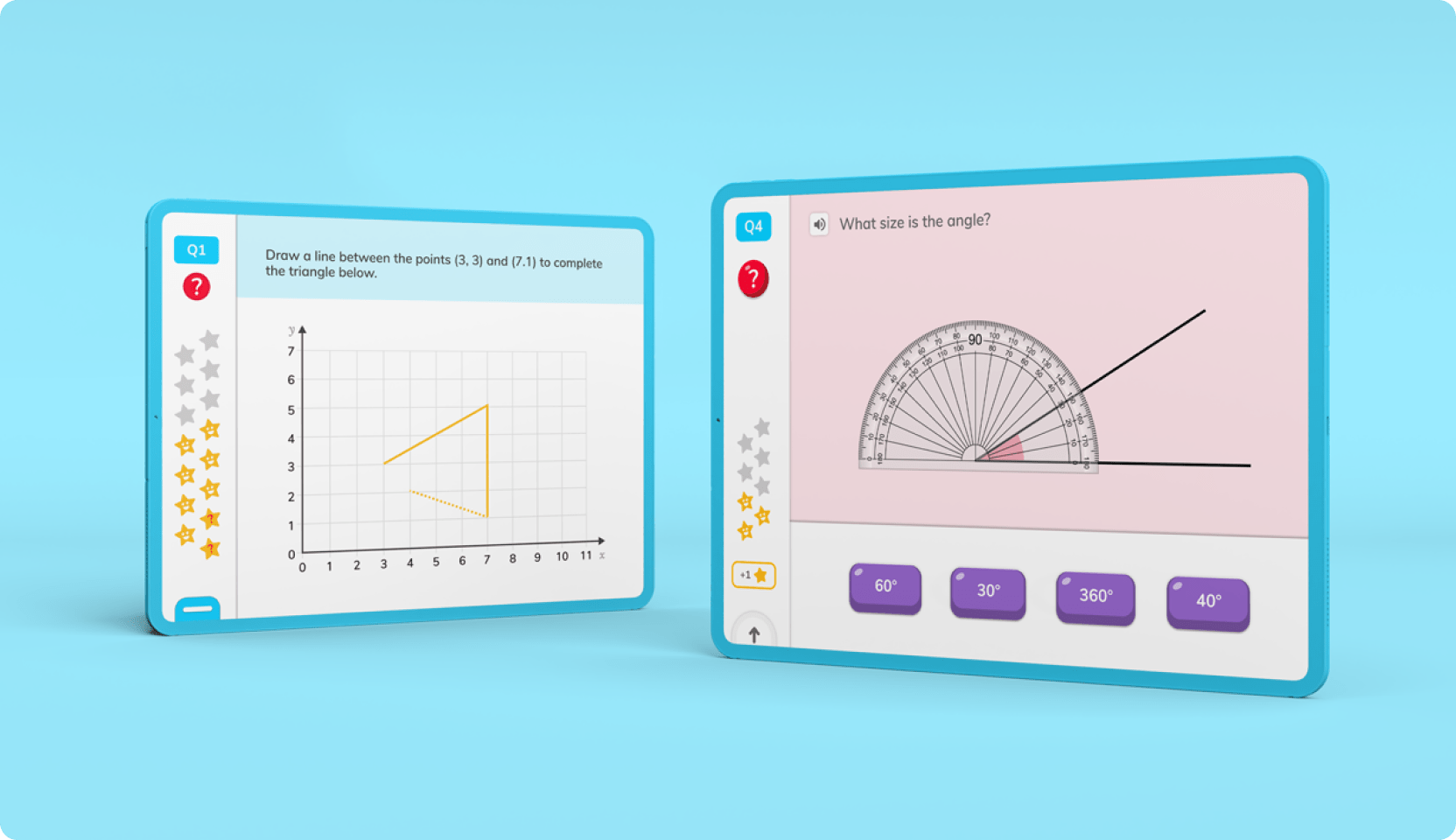
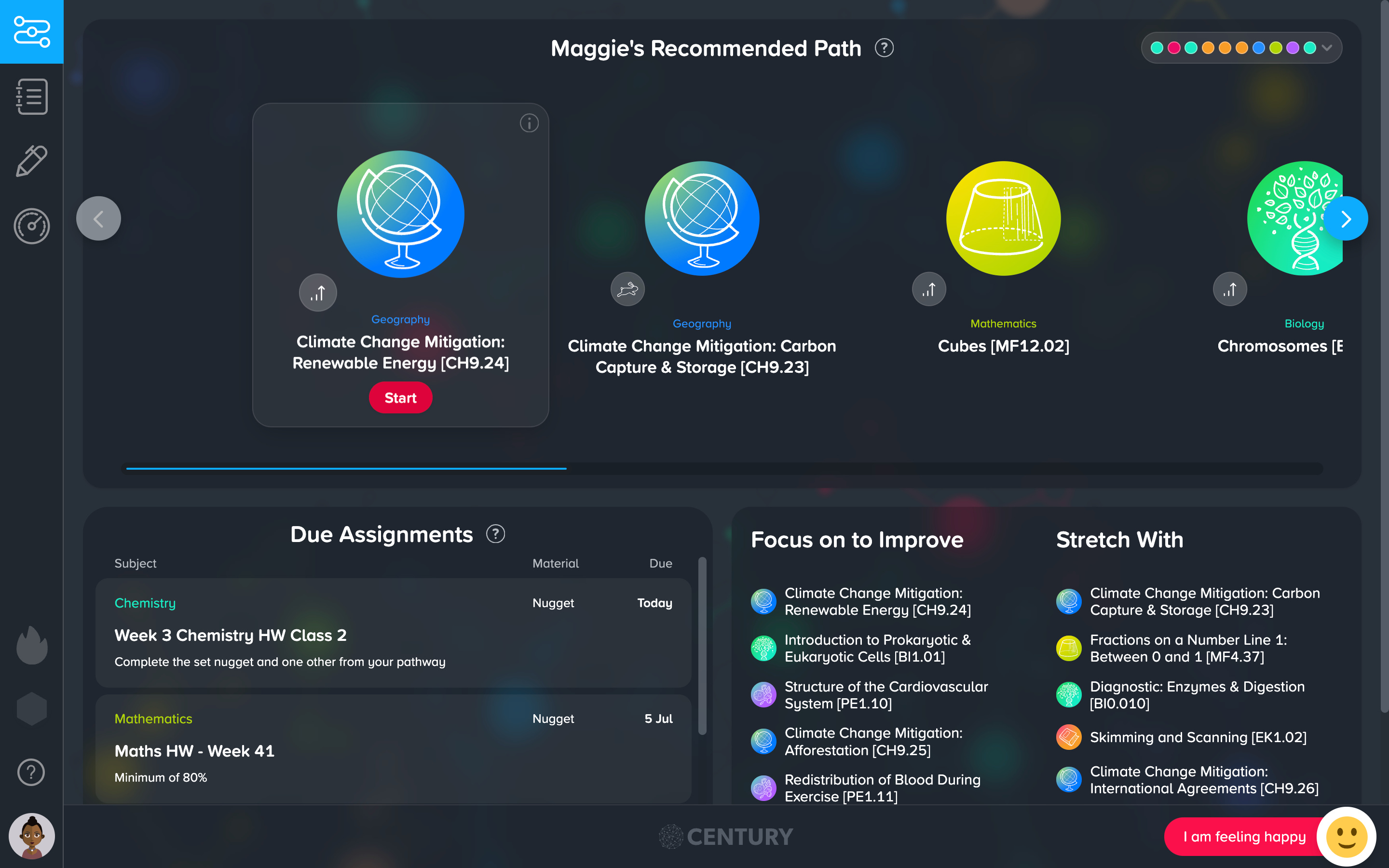
I prefer IXL diagnostics for assessing functional cognitive age as it doesn’t assume a child’s knowledge based on age or year group, and can generate statistics about US grade level in under 45 minutes. You can use the results to estimate the correct year group in textbooks or software like Doodle Maths or Century Tech.
Breaking down the ‘age gate’
Home education days and museum visits are often organised by age/Key Stage. As as parent to a 2e-er, you can spend a lot of time navigating this “age gating”. I now email to check the content and style of sessions to avoid a repeat of the time when Bigger Boy (age 8) turned up to a cell biology workshop (ages 7-13) wanting to talk about different CRISPR-Cas systems and was greeted with… pipe cleaners, and a ball of Play Doh (oops!)
Usually, organisations will be flexible about the age of kids, but sometimes they have health and safety restrictions on the teenage sessions. Or, else, they’ll just be weirded out that you asked. Either way, it’s good to have your IXL assessments done, so you can slot into your email “I’m bringing a 5 year old, but he’s working at the top of Key Stage 2. Is there a problem if he comes to the session for ages 7-9?”
Speed demons
There’s a huge Science of Learning movement currently in education who are passionate about explicit instruction, i.e. using simple direct steps to introduce new learning. My two absorb knowledge from the environment like a sponge. And, as a result, I spend more time looking for explicit instruction opportunities than providing them.
[NOTE: this is why gifted kids are typically bored at school. If they’re interested, they already know it and, if they don’t, they guess it. Rather than ‘teaching them’ knowledge, you’re looking for the gaps].
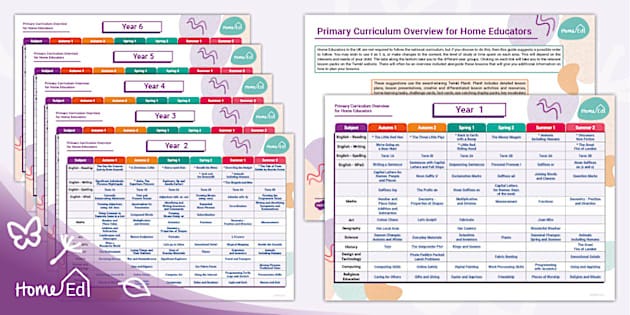
2e-ers also go at lightning speed. Give up all ye hope of using lesson plans downloaded from Twinkl or following a homeschooling curricula, such as Blossom & Root. Software and general workbooks break new content into small steps with practice exercises, but are usually massively over-taught for 2e-ers. Sometimes mine grasp the concept on line one and, even before the worked examples, they… are… done. Curricula for High Learning Potential kids do exist, such as Beast Academy, but sometimes even that can be too slow. Smaller Boy is already using place value confidently and still has 5+ exercises in BA to go.
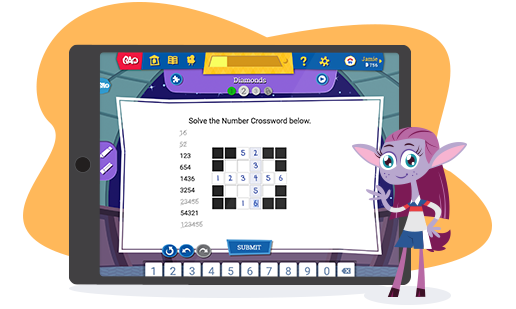
Maths enrichment activities, such as Parallels, are your friend, along with software that seems slightly more intelligent (Smaller Boy has recently enjoyed Synthesis Tutor).
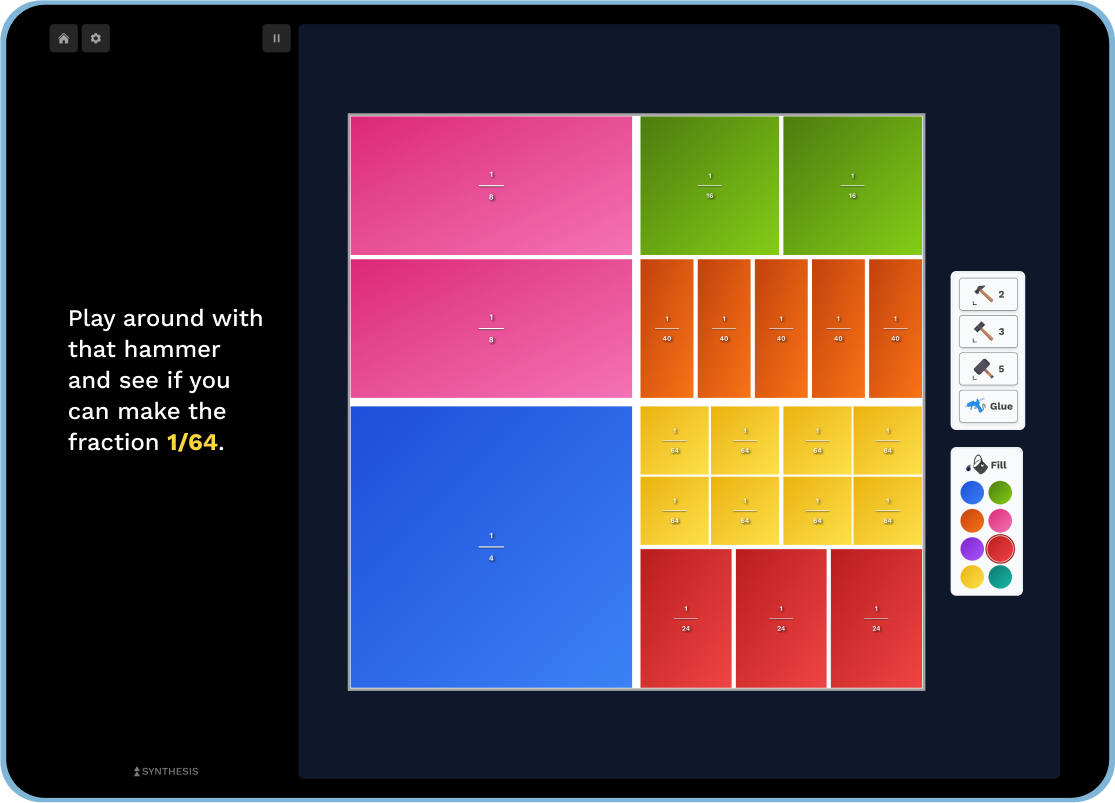
Increasingly, I ‘app hop’, shifting between IXL for assessment, Synthesis Tutor for ‘fun practice’, Beast Academy for enrichment and Doodle Maths for targeted teaching (it’s one of the few apps where you can set your own assignments while ignoring age group).
Asynchrony, baby!
TV shows usually get 2e-ers wrong by depicting them as mini-adults and not just kids who know a lot. You can’t imagine Young Sheldon making fart jokes or Alia Atreides inventing a silly playground game using Bene Gesserit knowledge (she is also an example of the neurodivergent precocious kid archetype).
Young Sheldon is an adult written as a child. Having this level of mismatch between cognitive ability and age, combined with severe hidden disabilities (High Learning Ability kids without severe disabilities mask their intelligence), can make children incredibly self-conscious. Certainly, they likely wouldn’t correct a NASA scientist or have the speech and language skills to deliver, unscripted, an entire lecture on PhD-level maths.
In practice, this makes it hard to access educational events, venues and curricula that are right for your child’s level of understanding. Workbooks get less cartoony and play-based as the content becomes harder. No one wants a kid working at 4th grade in a maths group if they frog hop across the floor and pretend to be a cat.
2e-ers are even more prone to this than non-disabled High Learning Potential kids, as their disabilities mean they can struggle to behave in an age-appropriate fashion. I’m pretty sure Bigger Boy can’t judge the volume of his own voice, which led him to exclaim (loudly) about malaria death statistics in a (silent) public research seminar full of working scientists and elderly visitors. He was, obviously, the only nine year old there.
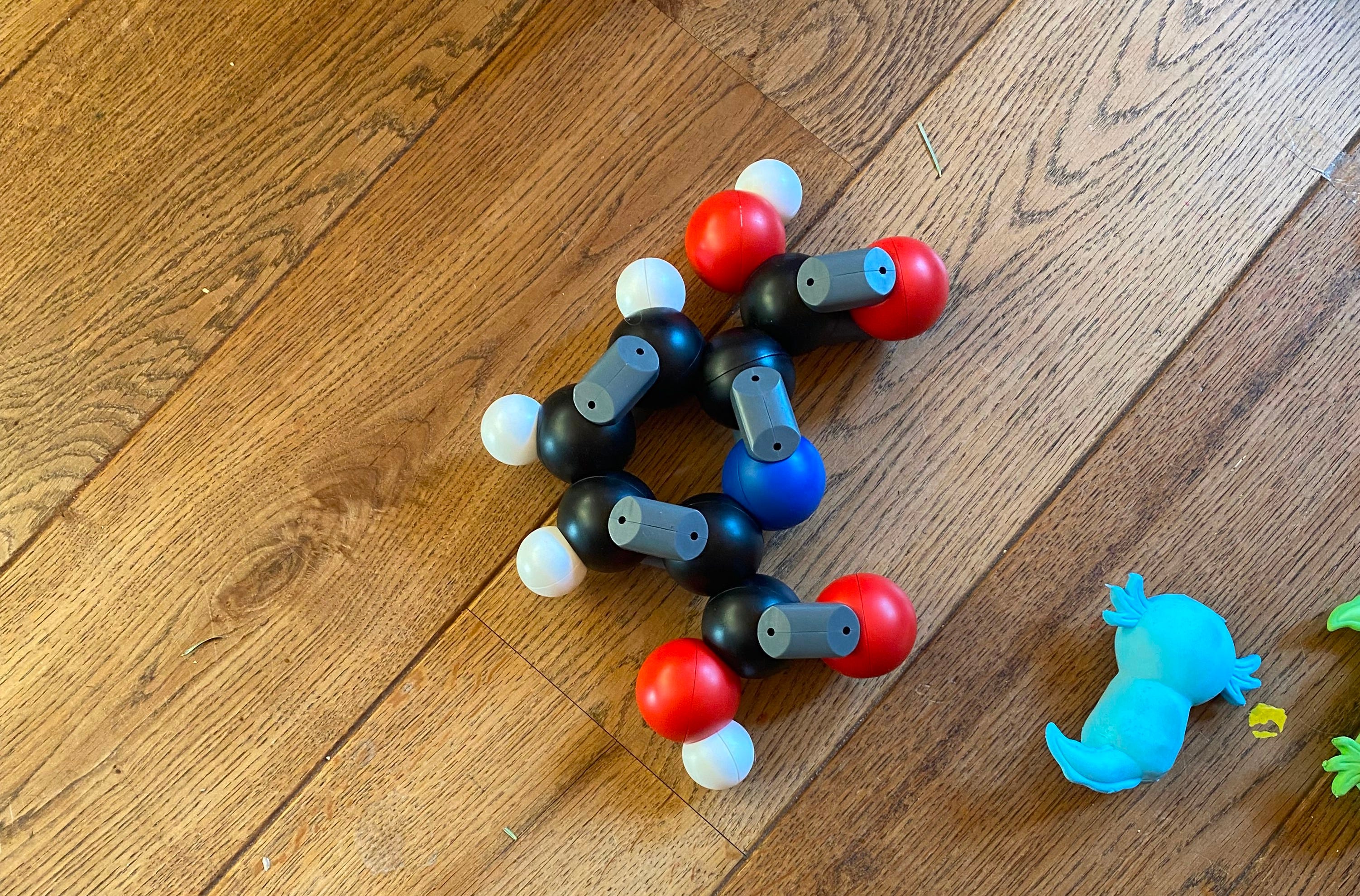
I haven’t yet found a solution to this. It’s frustrating because UK local government officials typically want reports on academic progress in independent education, but I’m more interested in Bigger Boy’s progress towards becoming a confident adult who can physically access enough places to learn what to do in them. In the meantime, I just have to rely on others tolerating my kids’ disabilities in spaces where they’d be conventionally viewed as too young. I also cherish any software that maintains a child-friendly interface at middle/high school level. Century Tech has been a great choice recently for iGCSE study, as the short ‘nugget’ micro-lessons and colourful graphical explanations work well for a young child.
Accommodations, accommodations, accommodations
Possibly the most heart-wrenching thing about 2e-ers is they’re disabled compared to their age - not compared to how far they’re ahead. Smaller Boy has recently got into mBlock coding and it’s heartbreaking watching him struggle to grab and move blocks using the trackpad with a toddler’s fine motor skills.
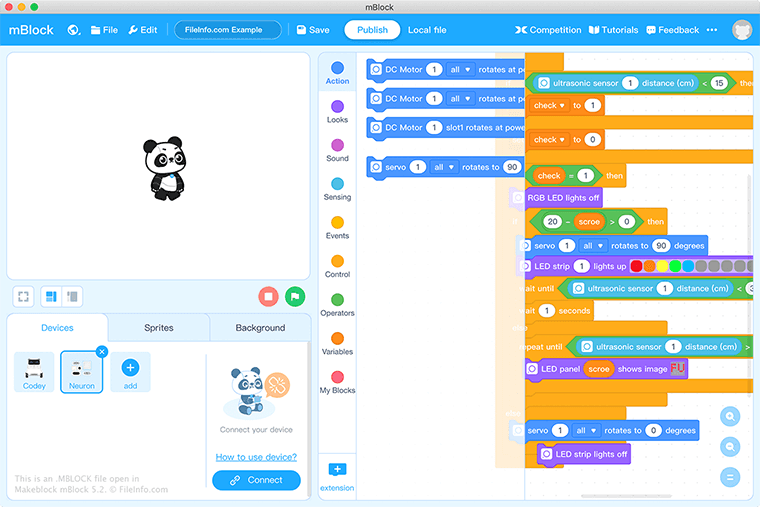
I’ve stepped in early to remove frustration and am considering buying an adaptive mouse or switch access scanner, something you probably wouldn’t need if your five year old didn’t attempt to write multi-line mBlock code. Again, careful observation is key here to understanding your child’s disabilities and what extra support they may need. If your 2e-ers looks average at maths, for example, you need to check if they’re genuinely average or whether they’re able to do advanced mathematical functions but too fidgety to check if their answers are right!
You are doing an extraordinarily good job of meeting 2E asynchronicity in your boys. It can be so difficult to find spaces and places where their sensory and other needs and intellectual concerns can all be met. My son at one point was learning to form his letters and studying GCSE level maths and science at the same time. Well not at the same moment!